Walk into almost any coffee shop in the world, and you’ll find a latte on the menu. Whether you’re visiting a neighborhood café, a specialty coffee roastery, or a busy chain coffee shop, the latte remains one of the most popular espresso-based drinks ever created.
But what exactly is a latte? Why do so many coffee lovers choose it over other drinks? And what makes a latte different from cappuccinos, flat whites, and other espresso beverages?
If you’ve ever wondered what goes into a perfect latte or why this creamy coffee drink has become a global favorite, this guide will walk you through everything you need to know.
Many coffee beginners ask what is a latte before exploring other espresso-based drinks.
What Is a Latte?
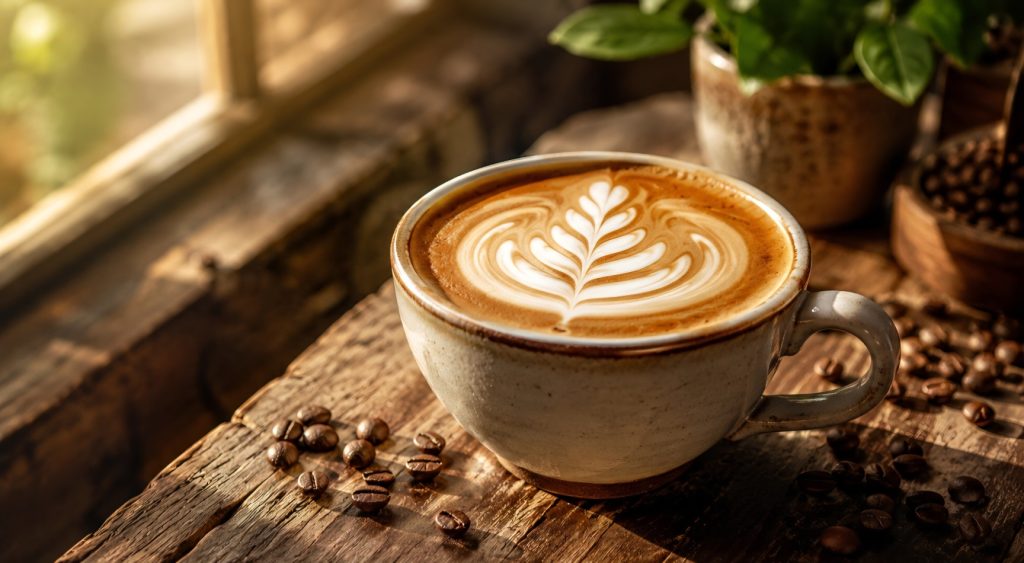
A latte, short for caffè latte, is an espresso-based coffee drink made with espresso and steamed milk, finished with a light layer of milk foam on top.
The word latte comes from Italian and literally means “milk.” In Italy, ordering a “latte” simply means asking for milk, while caffè latte refers to the coffee drink that has become famous worldwide.
A traditional latte typically contains:
1 or 2 shots of espresso
Steamed milk
A thin layer of milk foam
The result is a smooth, creamy beverage that balances the bold flavor of espresso with the sweetness and texture of milk.
Understanding what is a latte starts with knowing its simple combination of espresso, steamed milk, and milk foam.
Why Are Lattes So Popular?
One reason lattes have become so widely loved is their approachable flavor.
Espresso on its own can be intense, especially for people who are new to coffee. The addition of steamed milk softens the bitterness and creates a rich, velvety texture that many people find comforting and enjoyable.
Lattes are also incredibly versatile. Coffee shops and home baristas can customize them with different syrups, spices, milk alternatives, and seasonal flavors.
From classic vanilla and caramel versions to creative options like pistachio, pumpkin spice, and date lattes, there seems to be a latte for every taste preference.
What Does a Latte Taste Like?
A latte has a mild coffee flavor compared to many other espresso drinks.
People searching for what is a latte often discover that its taste is much smoother than they expected.
Because steamed milk makes up most of the beverage, the coffee notes are softened and blended into a creamy, slightly sweet drink. The exact flavor depends on the espresso beans used, the milk choice, and any additional flavorings.
Most people describe a latte as:
- Smooth
- Creamy
- Mildly sweet
- Balanced
- Easy to drink
This approachable flavor profile makes lattes one of the best coffee drinks for beginners.
The Three Main Components of a Latte
Although a latte may seem simple, every great latte relies on three key elements.
Espresso
Espresso serves as the foundation of the drink.
A well-extracted espresso shot provides the rich coffee flavor that defines a latte. Specialty coffee shops often use freshly roasted beans and carefully calibrated espresso machines to achieve a balanced shot.
Steamed Milk
Steamed milk adds body, sweetness, and texture.
When milk is heated and steamed properly, it develops a silky consistency that blends seamlessly with espresso. This creates the smooth mouthfeel that latte lovers appreciate.
Milk Foam
A traditional latte includes a thin layer of microfoam on top.
Unlike cappuccinos, which contain a thicker foam layer, lattes use just enough foam to add texture without overpowering the drink.
Different Types of Lattes
One of the most exciting aspects of latte culture is the variety of flavors and styles available.
Many coffee enthusiasts enjoy experimenting with unique latte recipes that add new dimensions to the classic drink.
Date Latte
For coffee lovers looking for a naturally sweet alternative, the Date Latte combines rich espresso with the caramel-like flavor of dates. The result is a comforting drink that feels both indulgent and wholesome. Read our complete Date Latte recipe and guide.
Pistachio Latte
With its nutty aroma and creamy texture, the Pistachio Latte has become a favorite among specialty coffee enthusiasts. Discover how to make a café-style Pistachio Latte at home.
If you enjoy both coffee and chai, a Dirty Chai Latte blends espresso with spiced chai tea and steamed milk for a bold yet comforting drink. Explore our complete Dirty Chai Latte guide to learn how to make it at home.
Honey Lavender Latte
The Honey Lavender Latte offers a delicate balance of floral notes and natural sweetness, creating a unique coffee experience that’s both relaxing and flavorful.
Turmeric Latte
Known for its vibrant golden color and warming spices, the Turmeric Latte has gained popularity as a cozy wellness-inspired beverage.
Pumpkin Spice Latte
Few seasonal drinks are as iconic as the Pumpkin Spice Latte. Learn how this fall favorite became a coffeehouse classic.
Popular examples include:
Date Latte
Date lattes combine the natural sweetness of dates with espresso and milk, creating a rich and comforting drink that feels both indulgent and wholesome.
Pistachio Latte
Pistachio lattes offer a nutty, slightly sweet flavor that pairs beautifully with coffee. Their creamy texture and distinctive taste have made them increasingly popular in recent years.
Honey Lavender Latte
This floral variation combines honey and lavender to create a delicate, aromatic coffee experience.
Turmeric Latte
Although often made without coffee, turmeric lattes have become a popular wellness beverage thanks to their warm spices and golden color.
Pumpkin Spice Latte
Perhaps the most famous seasonal latte, pumpkin spice combines espresso, milk, pumpkin flavor, and warming spices to create a cozy autumn favorite.
Latte vs Cappuccino
Many coffee drinkers confuse lattes and cappuccinos because both contain espresso and milk.
The main difference lies in the milk-to-foam ratio.
Latte
More steamed milk
Thin layer of foam
Creamier texture
Milder coffee flavor
Cappuccino
Less milk
Thicker foam layer
Stronger coffee taste
Lighter body
If you enjoy a smooth and creamy drink, a latte is usually the better choice. If you prefer a stronger coffee experience with more foam, you may enjoy a cappuccino.
Latte vs Flat White
Flat whites and lattes are also closely related.
Both drinks use espresso and steamed milk, but flat whites generally contain less milk and deliver a stronger coffee flavor.
A flat white often features:
Smaller serving size
Higher coffee-to-milk ratio
More concentrated flavor
A latte, on the other hand, prioritizes creaminess and balance.
Is a Latte Strong?
If you’re wondering what is a latte and whether it tastes strong, the milk makes it much gentler than straight espresso.
This is one of the most common questions among new coffee drinkers.
In terms of caffeine content, a latte can contain a similar amount of caffeine as many other espresso-based drinks because it often uses one or two shots of espresso.
However, lattes usually taste less strong because the milk softens the intensity of the coffee.
For many people, a latte offers the perfect middle ground between bold espresso and a gentle, easy-drinking beverage.
Can You Make a Latte at Home?
Absolutely.
While professional espresso machines can produce excellent results, many home coffee enthusiasts create delicious lattes using simple equipment.
You can make a latte with:
An espresso machine
A moka pot
A French press
An AeroPress
A handheld milk frother
The key is combining a concentrated coffee base with properly heated and frothed milk.
With a little practice, making café-quality lattes at home becomes surprisingly achievable.
Choosing the Best Milk for a Latte
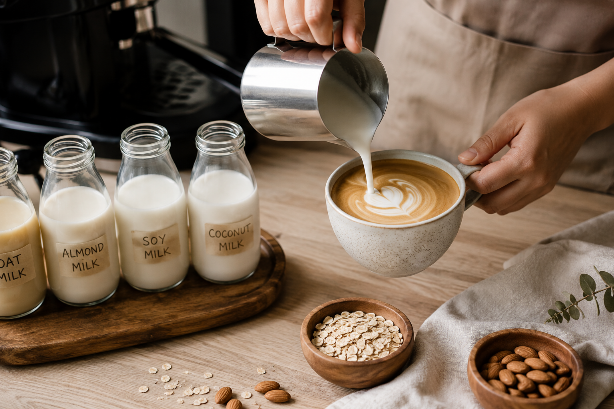
Milk plays a major role in the final texture and flavor of a latte.
Whole milk remains the most popular option because it produces a rich, creamy texture and excellent foam.
However, many people enjoy alternatives such as:
- Oat milk
- Almond milk
- Soy milk
- Coconut milk
Oat milk has become particularly popular among coffee enthusiasts because of its creamy consistency and ability to create stable foam.
Why Lattes Continue to Thrive
Coffee trends come and go, but the latte remains a constant favorite.
Its popularity stems from a unique combination of comfort, versatility, and accessibility. It appeals to both coffee newcomers and experienced enthusiasts while providing endless opportunities for customization.
Whether enjoyed plain or flavored with seasonal ingredients, the latte continues to evolve without losing the qualities that made it famous in the first place.
Why Latte Culture Continues to Grow
Coffee culture has evolved far beyond the local café. Today, millions of people are recreating their favorite coffeehouse drinks at home, experimenting with new flavors, and sharing their creations online. The latte sits at the center of this movement because it offers the perfect balance of creativity and comfort.
Whether it’s a classic morning latte enjoyed in a quiet kitchen or a seasonal pumpkin spice latte shared with friends on a crisp autumn afternoon, the drink has become part of everyday rituals around the world. Its versatility, approachable flavor, and endless customization options continue to attract both new coffee drinkers and experienced enthusiasts. In many ways, the latte is no longer just a coffee drink—it’s a small daily experience that brings warmth, relaxation, and a touch of café culture into people’s homes.
Final Thoughts
The latte is much more than a simple coffee drink. Its combination of espresso, steamed milk, and delicate foam has helped it become one of the most beloved beverages in coffee culture.
From classic café lattes to creative variations like pistachio, honey lavender, pumpkin spice, and date lattes, this drink offers something for nearly everyone.
For anyone still asking what is a latte, it remains one of the most balanced and approachable coffee drinks available today.
- For coffee lovers seeking a smooth, approachable, and endlessly customizable beverage, the latte remains a timeless choice that shows no signs of losing its appeal. :::