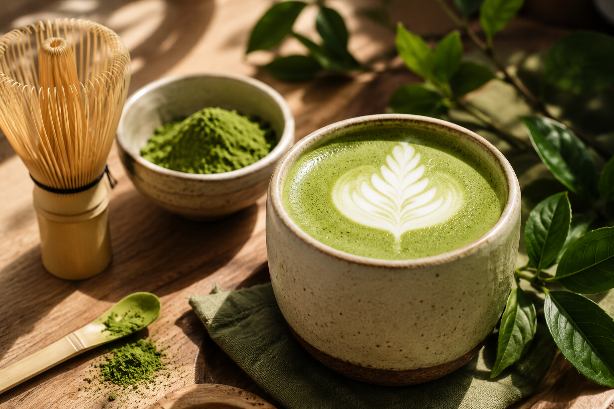
If you’re looking for a creamy drink that offers a gentle energy boost without the intensity of coffee, a Matcha Latte might be exactly what you need. This vibrant green beverage combines finely ground Japanese matcha powder with steamed milk to create a smooth, comforting drink that has become a favorite in cafés around the world.
Unlike traditional green tea, matcha is made by whisking the entire tea leaf into water rather than steeping and removing the leaves. That means every sip delivers the full flavor of the tea along with its naturally occurring nutrients.
Whether you’re curious about its unique taste, wondering how it compares to a regular latte, or planning to make one at home, this guide covers everything you need to know about Matcha Latte—from its ingredients and flavor to preparation tips and common mistakes to avoid.
What Is a Matcha Latte?
A Matcha Latte is a warm or iced drink made by blending finely ground matcha green tea powder with milk. The result is a creamy beverage with a rich green color, a naturally earthy flavor, and a smooth, velvety texture.
Although the word latte is traditionally associated with espresso and steamed milk, a Matcha Latte contains no coffee. Instead of espresso, the drink uses matcha as its main ingredient, giving it a completely different flavor profile and a more balanced source of caffeine.
If you’re new to milk-based drinks, our guide to What Is a Latte explains the classic version and how it compares to modern variations like Matcha Latte
The drink originated from the growing popularity of Japanese matcha outside Japan. While traditional matcha is prepared simply with hot water and a bamboo whisk, adding milk creates a softer and creamier version that appeals to a wider range of tastes.
Today, Matcha Lattes are enjoyed in coffee shops, tea houses, and home kitchens alike. They can be served hot on chilly mornings or poured over ice for a refreshing afternoon drink.
Why Is Matcha Latte So Popular?
Its popularity isn’t just about the beautiful green color. Many people enjoy Matcha Latte because it offers a combination of flavor, comfort, and gentle energy.
Some of the reasons people love it include:
- Smooth, creamy texture.
- A unique earthy flavor with subtle natural sweetness.
- Less bitterness than many brewed coffees.
- Versatile enough to enjoy hot or iced.
- Easy to customize with dairy or plant-based milk.
- A calming caffeine experience that many people find more gradual than coffee. If you prefer a bolder coffee flavor with warm spices, a Dirty Chai Latte offers a delicious alternative.
What Does Matcha Latte Taste Like?
One of the most common questions people ask is, “What does a Matcha Latte actually taste like?”
The answer depends on the quality of the matcha and how the drink is prepared, but most Matcha Lattes have a pleasantly earthy, slightly grassy flavor balanced by the creaminess of milk.
High-quality matcha often has a naturally sweet, smooth finish with a mild umami character. Lower-quality matcha, on the other hand, may taste more bitter or astringent.
Milk softens matcha’s bold vegetal notes, creating a well-balanced drink that’s comforting without being overly sweet. If you prefer a sweeter beverage, a touch of honey, maple syrup, or vanilla syrup can enhance the flavor without overpowering the tea.
Many first-time drinkers expect Matcha Latte to taste similar to green tea, but the experience is quite different. Because you’re consuming the finely ground tea leaves rather than simply steeping them, the flavor is richer, fuller, and creamier.
If you’re new to matcha, don’t be surprised if it takes a cup or two to appreciate its distinctive taste. It’s one of those drinks that often grows on you.
Unlike traditional espresso-based drinks, Matcha Latte offers a completely different flavor experience. If you’re curious about coffee-based classics, our Latte vs Cappuccino guide explores their key differences.
What Is Matcha Made From?
Matcha comes from the same plant as traditional green tea—Camellia sinensis—but it’s grown and processed in a unique way that gives it its distinctive color and flavor.
Several weeks before harvest, tea plants are shaded from direct sunlight. This slows their growth and encourages the leaves to produce more chlorophyll, resulting in their vibrant green color while also creating a smoother, richer flavor.
After harvesting, the youngest leaves are carefully steamed, dried, and processed. Their stems and veins are removed before the leaves are slowly stone-ground into an incredibly fine powder.
Unlike regular green tea, where the leaves are steeped and discarded, matcha is whisked directly into water or milk. This means you consume the entire leaf, giving the drink its rich texture and concentrated flavor.
Because of this unique production process, high-quality matcha is prized for its bright green appearance, delicate aroma, and naturally smooth taste.

🌿 MyHomeDrinks Tip
Unlike regular green tea, matcha isn’t steeped and discarded. Because the finely ground tea leaves are whisked directly into the drink, you’re enjoying the entire leaf in every sip. This unique preparation is one of the reasons matcha has such a rich flavor and vibrant green color.
Matcha Latte at a Glance
Before diving into the details, here’s a quick overview of what makes a Matcha Latte unique.
- Origin: Inspired by traditional Japanese matcha tea.
- Main Ingredient: Finely ground matcha green tea powder.
- Milk: Dairy milk or plant-based alternatives like oat, almond, or soy milk.
- Flavor: Earthy, slightly grassy, naturally sweet, and mildly umami.
- Texture: Smooth, creamy, and velvety when whisked properly.
- Color: Bright, vibrant green.
- Caffeine Level: Moderate—typically less than a cup of brewed coffee.
- Best Served: Hot for a cozy drink or iced for a refreshing treat.
- Difficulty: Easy to prepare once you learn the whisking technique.
- Sweetness: Naturally mild, with optional sweeteners like honey or maple syrup.
Whether you’re making it at home or ordering it from your favorite café, Matcha Latte is a versatile drink that can easily be customized to suit your taste.
Ceremonial vs Culinary Matcha
Not all matcha is the same. If you’ve ever shopped for matcha powder, you’ve probably seen terms like ceremonial grade and culinary grade. Understanding the difference can help you make a better Matcha Latte.
Ceremonial Grade Matcha
Ceremonial grade matcha is made from the youngest and most delicate tea leaves. It has a vibrant green color, a naturally smooth flavor, and very little bitterness.
It’s traditionally enjoyed with just hot water, allowing the quality of the tea to shine. However, many people also use it in premium Matcha Lattes when they want the cleanest, most refined flavor.
Ceremonial grade matcha is ideal if you:
- Prefer a smoother taste.
- Drink matcha regularly.
- Enjoy minimal or no sweetener.
- Want a high-quality café-style latte at home.
Culinary Grade Matcha
Culinary grade matcha is designed for recipes such as lattes, smoothies, desserts, and baking. It has a stronger flavor that stands up well to milk and sweeteners.
Because it’s generally more affordable, culinary grade matcha is often the preferred choice for everyday homemade Matcha Lattes.
Culinary grade matcha is a good option if you:
- Make Matcha Lattes frequently.
- Add sweeteners or flavored syrups.
- Use matcha in recipes.
- Want a more budget-friendly choice.
Which One Is Better for Matcha Latte?
There’s no single right answer—it depends on your preferences.
If you enjoy a delicate, naturally sweet tea flavor, ceremonial grade matcha offers a more refined drinking experience.
If you’re making a daily latte with milk and a touch of sweetness, culinary grade matcha often provides excellent flavor at a lower cost.
For most home baristas, a high-quality culinary grade matcha strikes the best balance between taste and value.

Benefits of Matcha Latte
Beyond its beautiful appearance, Matcha Latte has earned a loyal following for several reasons. While it’s not a miracle drink, it can be a satisfying addition to a balanced lifestyle.
Some of the reasons people choose Matcha Latte include:
- Provides a moderate amount of caffeine for a gentle energy boost.
- Contains naturally occurring antioxidants found in green tea.
- Offers a creamy alternative to coffee-based drinks.
- Can be prepared with dairy-free milk for different dietary preferences.
- Easy to customize with different milk options and natural sweeteners.
- Suitable for both hot and iced beverages throughout the year.
- Creates a calming, enjoyable ritual that’s easy to recreate at home.
- If you enjoy naturally sweet beverages made with wholesome ingredients, you might also like our homemade Date Latte. It’s another comforting drink that’s easy to prepare and offers a delicious alternative to traditional coffee-based lattes.
It’s worth remembering that the nutritional profile of your Matcha Latte also depends on the type of milk and sweetener you choose. Using unsweetened milk and limiting added sugar can help keep the drink lighter while still allowing the natural flavor of matcha to stand out.
While matcha contains naturally occurring antioxidants and other beneficial plant compounds, current research suggests that its nutritional profile can vary depending on factors such as cultivation, harvest time, and preparation methods. Readers interested in the science behind matcha can explore published research for more detailed information.
How to Make Matcha Latte at Home
Making a delicious Matcha Latte at home is easier than you might think. With a few simple ingredients and the right technique, you can create a café-style drink in just a few minutes.
Ingredients
You’ll need:
- 1 teaspoon ceremonial or culinary grade matcha powder
- 2 ounces (60 ml) hot water (not boiling)
- 6–8 ounces (180–240 ml) milk of your choice
- 1–2 teaspoons honey, maple syrup, or your preferred sweetener (optional)
- Ice cubes (for an iced version)
Equipment
While you can use everyday kitchen tools, these items make the process easier:
- Bamboo whisk (chasen) or a small handheld whisk
- Matcha bowl or a small mixing bowl
- Fine mesh sieve
- Milk frother (optional)
Step 1: Sift the Matcha
Place the matcha powder through a fine mesh sieve into a bowl. This simple step helps prevent clumps and creates a smoother drink.
Step 2: Add Hot Water
Pour the hot water over the matcha. The water should be hot but not boiling—around 175°F (80°C) is ideal to preserve the tea’s delicate flavor.
Step 3: Whisk Until Frothy
Using a bamboo whisk, whisk briskly in a zigzag or “W” motion until the matcha is completely dissolved and a light layer of foam forms on the surface.
Step 4: Heat and Froth the Milk
Warm your milk until it’s hot but not boiling, then froth it if possible. A creamy layer of foam gives the latte a richer texture, but even gently heated milk works well.
Step 5: Combine and Enjoy
Pour the milk into the prepared matcha. Stir gently, add sweetener if desired, and enjoy your homemade Matcha Latte.
For an iced version, let the whisked matcha cool slightly before pouring it over ice and cold milk.

Barista’s Tips
Want your homemade Matcha Latte to taste even better? These simple tips can make a noticeable difference.
- Always sift the matcha powder before whisking to prevent clumps.
- Use fresh, high-quality matcha for a brighter color and smoother flavor.
- Heat the water to about 175°F (80°C) instead of using boiling water.
- Whisk in a quick zigzag motion until a light foam forms on the surface.
- Froth your milk for a creamier, café-style texture.
- Drink your Matcha Latte soon after preparing it to enjoy its freshest flavor.
Common Mistakes to Avoid
Even simple drinks can go wrong if a few details are overlooked. Avoid these common mistakes for a smoother, better-tasting Matcha Latte.
- Using boiling water, which can make matcha taste bitter.
- Skipping the sifting step, leading to unpleasant lumps.
- Using too much matcha, resulting in an overpowering flavor.
- Not whisking long enough to fully dissolve the powder.
- Choosing poor-quality matcha with a dull green or brownish color.
- Adding too much sweetener, which can hide matcha’s natural character.
- Using milk that’s overheated or scorched, affecting both flavor and texture.
Paying attention to these small details can make a noticeable difference in the final cup.
Hot vs Iced Matcha Latte
One of the best things about Matcha Latte is that it’s delicious year-round. Whether you prefer it hot or iced depends on the season, your mood, and your personal taste.
Hot Matcha Latte
A hot Matcha Latte is warm, creamy, and comforting. It’s especially enjoyable on cool mornings or relaxing evenings.
Many people appreciate that the warmth enhances matcha’s rich aroma while creating a cozy drinking experience.
A hot Matcha Latte is ideal when you want:
- A comforting morning beverage.
- A relaxing afternoon break.
- A smooth, creamy texture.
- A drink to pair with breakfast or pastries.
Iced Matcha Latte
An Iced Matcha Latte is light, refreshing, and perfect for warm weather.
Served over ice with cold milk, it delivers the same earthy matcha flavor while feeling crisp and cooling.

It’s a great choice if you:
- Need a refreshing afternoon drink.
- Enjoy cold beverages during warmer months.
- Want a quick pick-me-up without hot coffee.
- Like experimenting with flavored syrups or different milk alternatives.
Which One Should You Choose?
There’s no wrong choice. Both versions highlight the unique flavor of matcha in different ways.
If you’re looking for comfort and creaminess, a hot Matcha Latte is hard to beat. If you want something cool and refreshing, an iced version is equally satisfying.
The good news is that once you’ve learned the basic preparation method, switching between hot and iced Matcha Lattes is quick and easy.
Frequently Asked Questions
Does a Matcha Latte contain coffee?
No. A traditional Matcha Latte doesn’t contain coffee or espresso. Instead, it gets its caffeine from finely ground matcha green tea powder.
Is Matcha Latte healthier than coffee?
Neither drink is universally “healthier.” Matcha and coffee have different nutritional profiles and caffeine levels. The better choice depends on your personal preferences, dietary needs, and how your body responds to caffeine.
Can I make a Matcha Latte without a bamboo whisk?
Yes. While a bamboo whisk creates the smoothest texture, you can also use a small kitchen whisk, a handheld milk frother, or even a tightly sealed jar to mix the matcha.
Which milk works best for Matcha Latte?
Whole milk creates a rich and creamy texture, while oat milk is a popular dairy-free option because of its naturally smooth flavor. Almond and soy milk also work well, depending on your taste.
Why does my Matcha Latte taste bitter?
Bitterness is often caused by using water that’s too hot, low-quality matcha, or adding too much matcha powder. Using fresh, high-quality matcha and whisking it properly can make a noticeable difference.
Can I drink Matcha Latte every day?
For most healthy adults, enjoying a Matcha Latte in moderation can fit into a balanced diet. If you’re sensitive to caffeine or have specific health concerns, it’s always best to seek advice from a qualified healthcare professional.
Can Matcha Latte be served cold?
Absolutely. An Iced Matcha Latte is one of the most popular ways to enjoy matcha, especially during warmer months. Simply whisk the matcha with a small amount of hot water, then pour it over ice and cold milk.

Final Thoughts
Matcha Latte is more than just a colorful café trend. It’s a creamy, versatile drink that combines the distinctive character of Japanese matcha with the comforting texture of milk.
Whether you prefer it hot on a quiet morning or iced on a sunny afternoon, it’s easy to customize with your favorite milk and sweetener. Once you’ve mastered the basic technique, making a café-style Matcha Latte at home becomes surprisingly simple.
If you enjoy exploring different milk-based drinks, you may also like learning about What Is a Latte?,
comparing Latte vs Cappuccino, or trying unique recipes like Turmeric Latte and Date Latte. Each offers a different flavor experience while sharing the comforting appeal that makes lattes so popular.
Excerpt
Learn what a Matcha Latte is, how it tastes, its benefits, and how to make a creamy café-style version at home. This beginner-friendly guide covers everything you need to know.
Does a Matcha Latte contain coffee?
No. A traditional Matcha Latte doesn’t contain coffee or espresso. Instead, it gets its caffeine from finely ground matcha green tea powder.
Is Matcha Latte healthier than coffee?
Neither drink is universally “healthier.” Matcha and coffee have different nutritional profiles and caffeine levels. The better choice depends on your personal preferences, dietary needs, and how your body responds to caffeine.
Can I make a Matcha Latte without a bamboo whisk?
Yes. While a bamboo whisk creates the smoothest texture, you can also use a small kitchen whisk, a handheld milk frother, or even a tightly sealed jar to mix the matcha.
Which milk works best for Matcha Latte?
Whole milk creates a rich and creamy texture, while oat milk is a popular dairy-free option because of its naturally smooth flavor. Almond and soy milk also work well, depending on your taste.
Why does my Matcha Latte taste bitter?
Bitterness is often caused by using water that’s too hot, low-quality matcha, or adding too much matcha powder. Using fresh, high-quality matcha and whisking it properly can make a noticeable difference.
Can I drink Matcha Latte every day?
For most healthy adults, enjoying a Matcha Latte in moderation can fit into a balanced diet. If you’re sensitive to caffeine or have specific health concerns, it’s always best to seek advice from a qualified healthcare professional.
Pingback: Hojicha Latte Recipe: Smooth, Roasted & Creamy